مذاکرهکننده هستهای سابق ایران میگوید که ایالات متحده نیز چون بریتانیا مجبور به ترک خلیج فارس است و بنابراین کشورهای همسایه چون ایران، عراق و شورای همکاری خلیج فارس باید بهفکر ساز و کاری برای همکاری مشترک باشند. –
بحران هسته ای ایران: یک خاطره
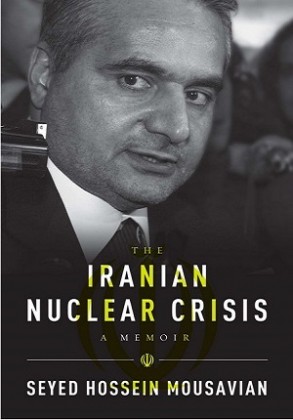
بحران هسته ای ایران: یک خاطره، توسط انتشارات بنیاد کارنگی برای صلح بین الملل در سال ۲۰۱۲
چالش های روابط ایران و غرب
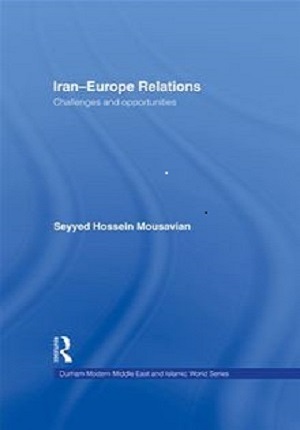
چالش های روابط ایران و غرب، توسط انتشارات راتلج در سال ۲۰۰۸
پروتکل الحاقی و راهبرد جمهوری اسلامی
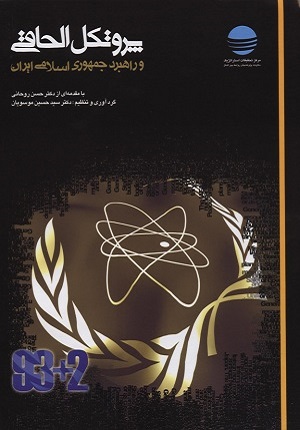
پروتکل الحاقی و راهبرد جمهوری اسلامی، منتشر شده توسط مرکز تحفیقات استراتژیک در سال ۲۰۰۸
حقوق بشر: روندها و نظرات
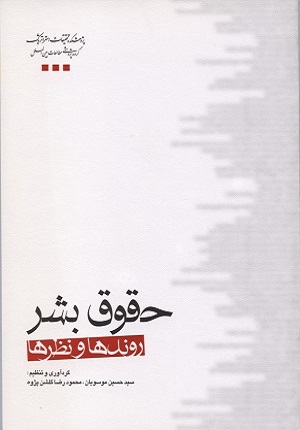
حقوق بشر: روندها و نظرات، منتشر شده توسط مرکز تحفیقات استراتژیک در مارس ۲۰۰۸
روابط ایران و آلمان (۱۹۹۷ ـ ۱۹۹۰)
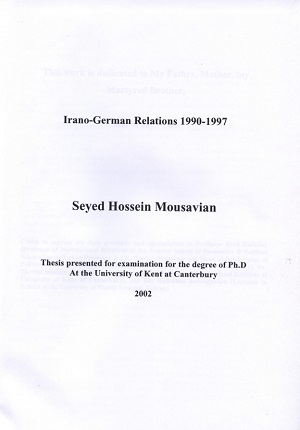
روابط ایران و آلمان (۱۹۹۷ ـ ۱۹۹۰)، منتشر شده توسط مرکز تحفیقات استراتژیک در سال ۲۰۰۶
متفکران اسلامی آلمان
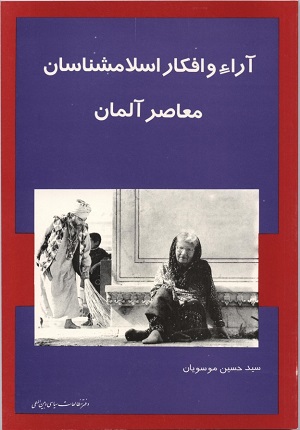
متفکران اسلامی آلمان، منتشر شده توسط مؤسسه مطالعات سیاسی و بین المللی در سال ۱۹۹۵
آمام خمینی (ره):زندگی و رهبری او
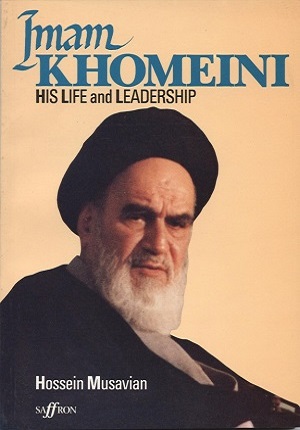
آمام خمینی (ره):زندگی و رهبری او، توسط انتشارات زعفران در سال ۱۹۹۰
La questione nucleare vista da Teheran: ipotesi di negoziato (Italian)
Dopo un decennio di stallo sulla questione nucleare, per trovare una soluzione è necessario avere ben chiare le cause di fondo dell’attuale crisi e l’eredità della storia. Prima della rivoluzione islamica del 1979, i paesi occidentali – e in particolare gli Stati Uniti – mantenevano ottimi rapporti con l’Iran e facevano a gara per aggiudicarsi i redditizi progetti di nuclearizzazione del paese, gettando così le basi per lo sviluppo della sua potenza atomica. In quel periodo, l’Occidente sosteneva che la tecnologia nucleare era di fondamentale importanza per Teheran. Nel 1976, il presidente Gerald Ford firmò una direttiva che consentiva all’Iran di acquisire la tecnologia necessaria a sviluppare un ciclo nucleare completo. Nel documento si legge: “L’introduzione dell’energia nucleare provvederà al crescente fabbisogno energetico dell’economia iraniana e renderà le riserve petrolifere del paese disponibili per l’esportazione o la trasformazione in prodotti petrolchimici”.
“La questione nucleare vista da Teheran: ipotesi di negoziato,” Hossein Mousavian, Aspenia, issue no. 60, pgs. 62-70. Published by the Aspen Institute, March 2013, (Italian).
Globalizing Iran’s Fatwa Against Nuclear Weapons
Over a decade of negotiations between Iran and various world powers over Tehran’s nuclear programme have yielded little or no progress. Although all parties seek a peaceful resolution to this quagmire through diplomacy, all the major demands of the P5+1 (the permanent members of the UN Security Council – the United States, Russia, China, France and the UK – plus Germany) go beyond the Nuclear Non-Proliferation Treaty and its Safeguard Agreement, the only viable and legitimate international framework for non-proliferation. In 2011, I proposed a peaceful solution based on the 2005 fatwa (religious decree) of Iranian Supreme Leader Ayatollah Ali Khamenei banning the acquisition, production and use of nuclear weapons, and in 2012 Iranian Foreign Minister Ali Akbar Salehi declared Iran’s willingness to transform the fatwa ‘into a legally binding, official document in the UN’, to secularise what many in the West see as a purely religious decree.1 Such a step would provide a sustainable legal and political umbrella for Iran to accept required measures; facilitate transparency and confidence-building measures; and help address doubts in the West about the commitment to the principles expressed in the fatwa in the context of Iran’s system of government, where politics and religion are intertwined.

“Globalizing Iran’s Fatwa Against Nuclear Weapons,” Hossein Mousavian, Survival: Global Politics and Strategy, 55:2, 147-162. Published by the International Institute for Strategic Studies (IISS), April 8, 2013.